- Home
- Call of Dragons
- Strategy
Call of Dragons Talent Trees and Hero Pairing Principles
How hero talents, unit types and artifacts fit together in Call of Dragons – plus a simple framework for building strong hero pairs with what you own.
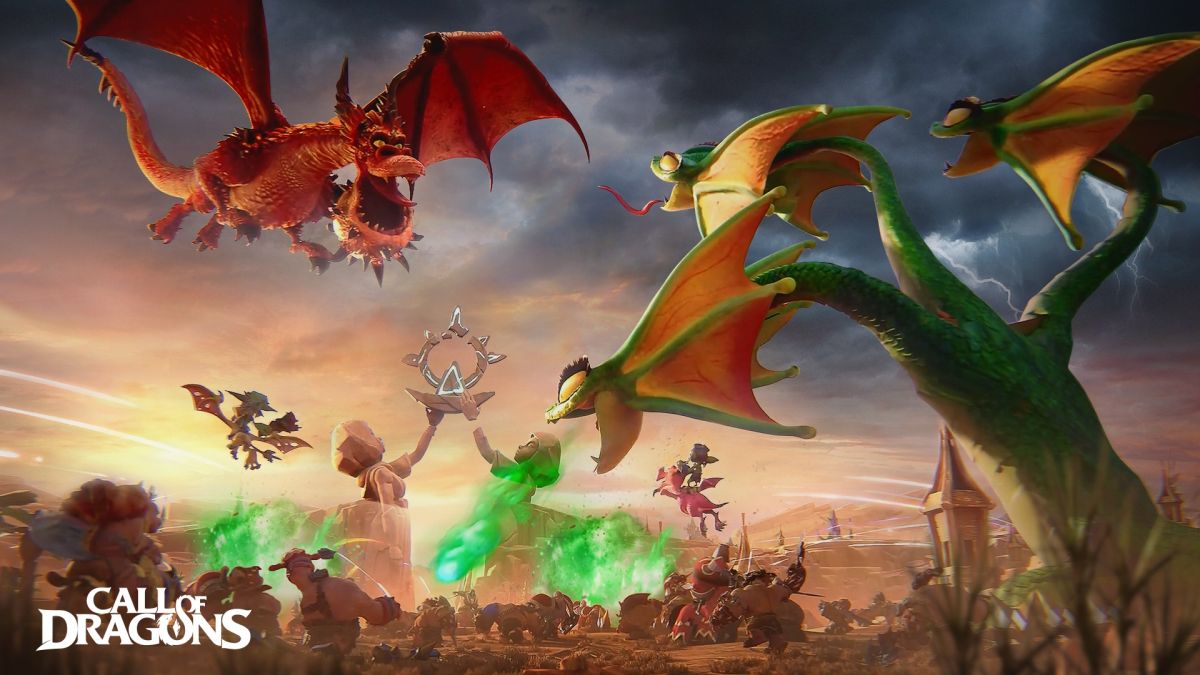
Call of DragonsTalent Trees and Hero Pairing Principles Hero choice in Call of Dragons gets the headlines, but talents and unit composition decide most fights. This guide explains the framework, so you can build good pairs even without the newest legendary heroes.
Primary and secondary heroes
Each army has a primary and a secondary hero. The primary’s talent tree shapes the army, while the secondary adds skills. Put your most invested hero – the one with the right talent tree for the job – in the primary slot.
Unit types
Call of Dragons armies are built from a few unit types:
- Infantry – durable frontline.
- Marksmen – ranged damage.
- Cavalry – fast and mobile.
- Magic – spellcasters with powerful skills.
- Flying – units that ignore much of the terrain.
Most talent trees boost one type. Like in other 4X games, a focused army benefits more from talents than a mixed one.
Picking talents
- Start with the troop-type branch that matches your army.
- Add a role branch: PvP for open-field fights, PvE for darklings and behemoths, Gathering for resource marches, Garrison for defence.
- Respec for events. Talent resets let you switch builds when the kingdom moves from farming to war.
Artifacts
Artifacts add an extra active skill to your army. Match them to the role:
- Area damage artifacts shine in PvE and rallies.
- Defensive or healing artifacts keep your army alive in long PvP fights.
A simple pairing framework
Ask three questions for every pair:
| Question | Good answer |
|---|---|
| Does the primary’s talent tree match the unit type? | Yes |
| Does the secondary add something the primary lacks (healing, control, burst)? | Yes |
| Is the pair invested enough for its job? | Skills levelled, artifact equipped |
Common mistakes
- Running a magic talent tree with mostly infantry in the army.
- Spreading skill upgrades across too many heroes.
- Leaving artifacts unequipped on gathering and secondary marches.
Build around talents and roles first, then upgrade heroes as you get them – that’s how smaller accounts punch above their weight.